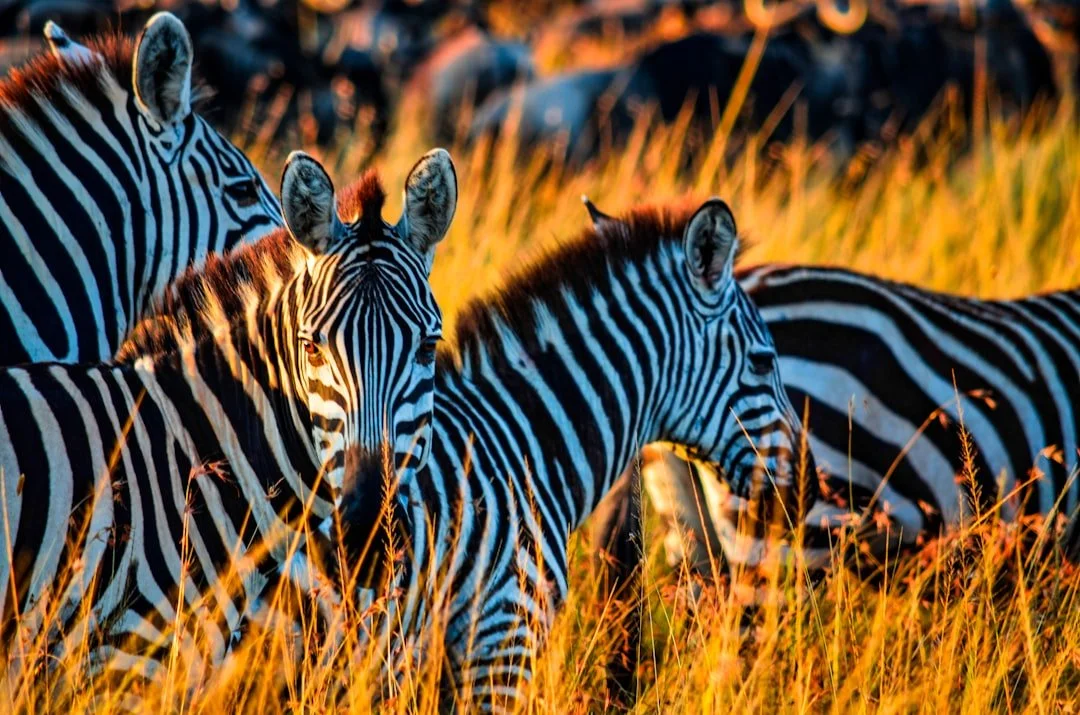
Photo by Bibhash (Polygon.Cafe) Banerjee on Unsplash
A luxury African safari in 2026 is less about how many countries you cover and more about how fully you inhabit each one. The best itineraries prioritize rhythm over range, pairing exceptional camps with enough time to let each ecosystem reveal itself. From the private game reserves of South Africa to the waterways of Botswana’s Okavango Delta and the walking safaris of Zambia’s South Luangwa, here is what the experience actually looks like, and what to consider before you plan.
What Safari Actually Feels Like
Safari has a reputation for extremes. People imagine roughing it in a tent, or encountering wildlife in situations that feel staged. The reality is more nuanced, and far better.
At a well-chosen luxury camp, the adventure is entirely outside. Inside, you have a spacious suite, a real bed, hot showers, and thoughtful service. Camps are positioned deliberately in wildlife-rich areas, and guides spend years learning to read the landscape. Some mornings, elephants appear before breakfast. Some evenings, lions move at the edge of the light. The quiet moments tend to be the ones that stay: a herd of giraffes crossing the horizon, the bush settling after dark, the unhurried sense that nothing is competing for your attention.
The question of safety comes up often, and it should. Guides are rigorously trained, protocols are taken seriously, and every movement is deliberate. The right camps, and the right planning, make all the difference.
Three Destinations, Three Different Rhythms
A well-designed safari itinerary across southern Africa reads like a series of deliberate contrasts. Each destination offers something distinct, and the transitions between them become part of the experience.
South Africa: Phinda Private Game Reserve
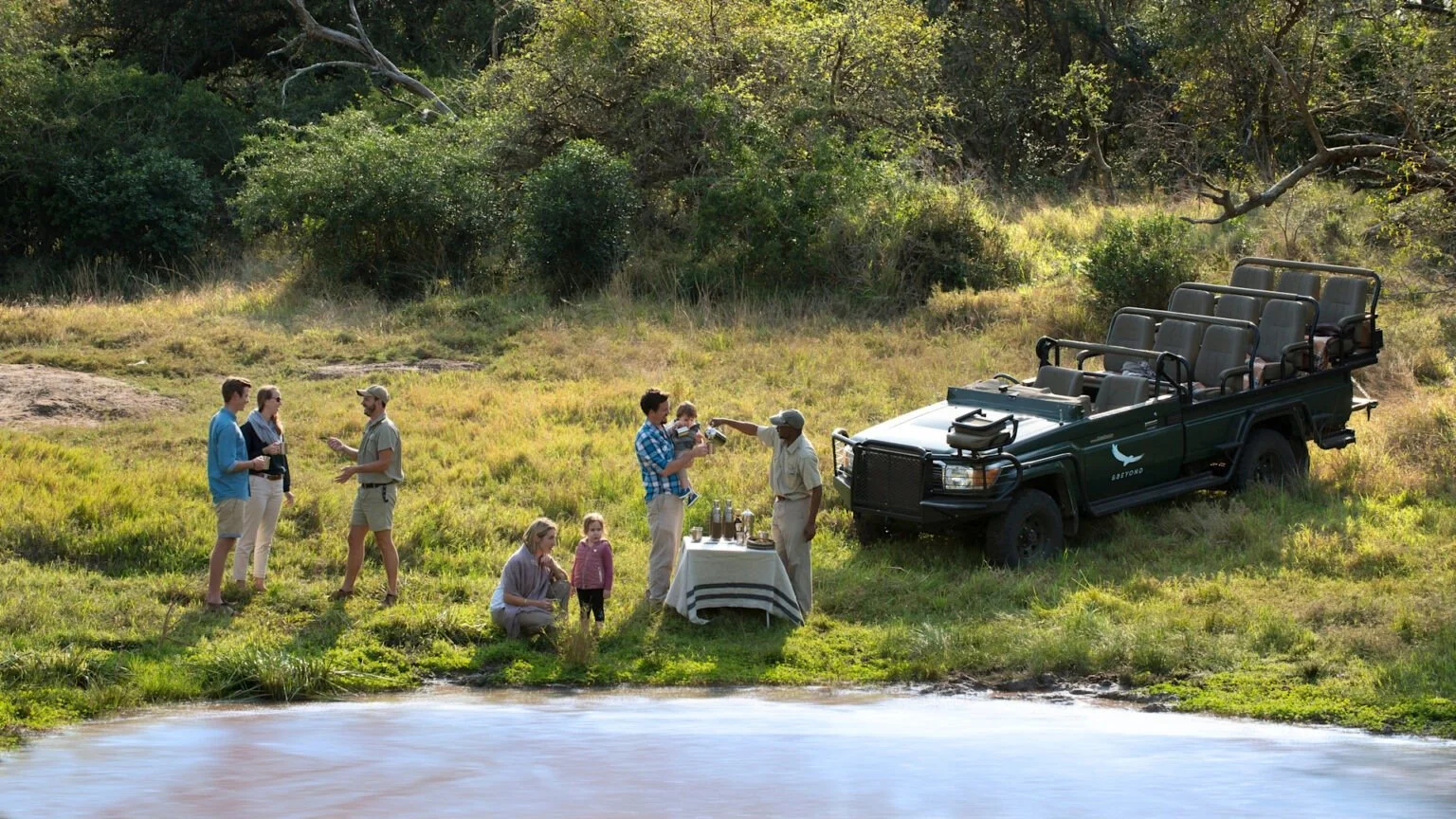
Image courtesy of andBeyond
Days at Phinda begin early and quietly. Game drives head out before first light, climbing toward Leopard Rock as the bush wakes around you. The lodge is built directly into the hillside, with suites that open onto the valley, private plunge pools, and outdoor showers that feel entirely of the landscape. Sightings here feel intimate rather than theatrical. Returning from a drive means slipping back into stillness.
Botswana: Xaranna Camp, Okavango Delta
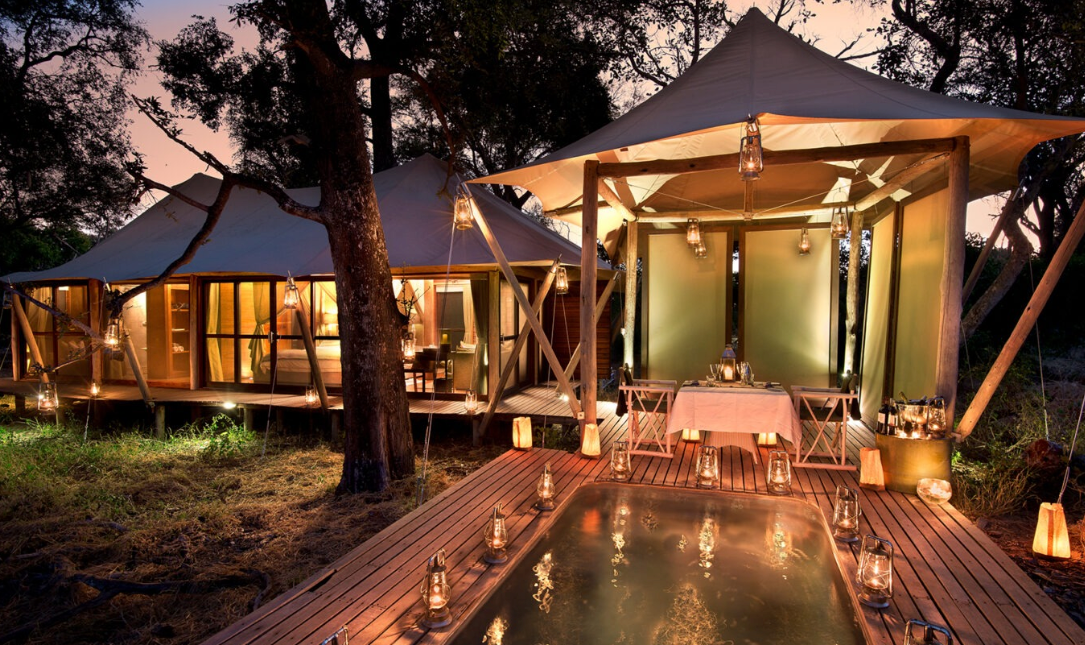
Image courtesy of andBeyond
The Okavango is where the pace softens further. At Xaranna Camp, game viewing unfolds by mokoro as often as by vehicle, drifting silently through water channels while birds lift from the reeds ahead. Afternoons end with sundowners in the delta itself. Tents have private plunge pools and shaded outdoor spaces, and the camp has a way of making the entire landscape feel like yours alone.
Zambia: Mfuwe Lodge, South Luangwa National Park
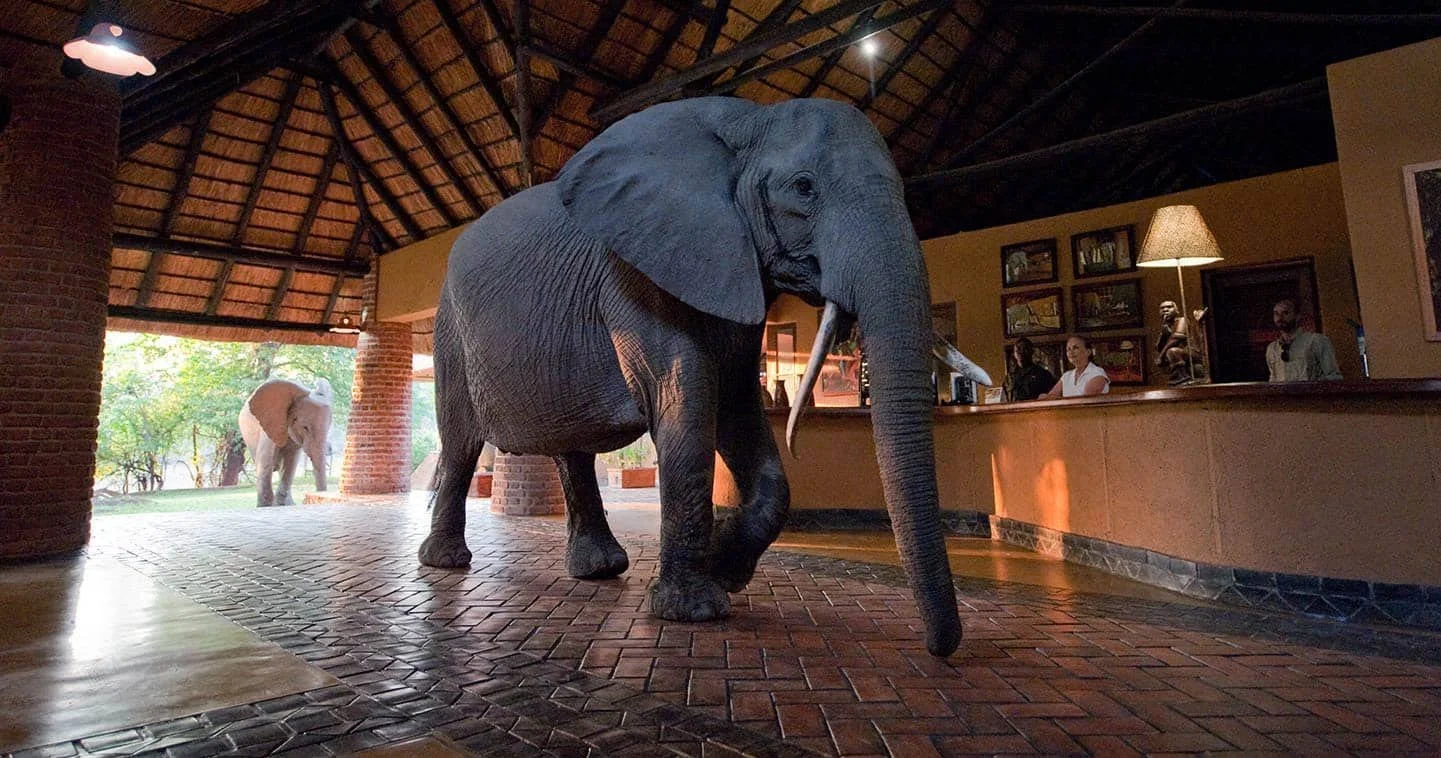
Image courtesy of Mfuwe Lodge
South Luangwa is widely considered the birthplace of the walking safari, and it earns that distinction. The connection to the land here is different: more grounded, more immediate. At Mfuwe Lodge, elephants move through the lagoon directly below the deck. Guides carry generations of local knowledge. For travelers in the Director’s House with a private guide and vehicle, the experience becomes personal in a way that larger operations rarely achieve.
Planning a Luxury Africa Safari: What to Know
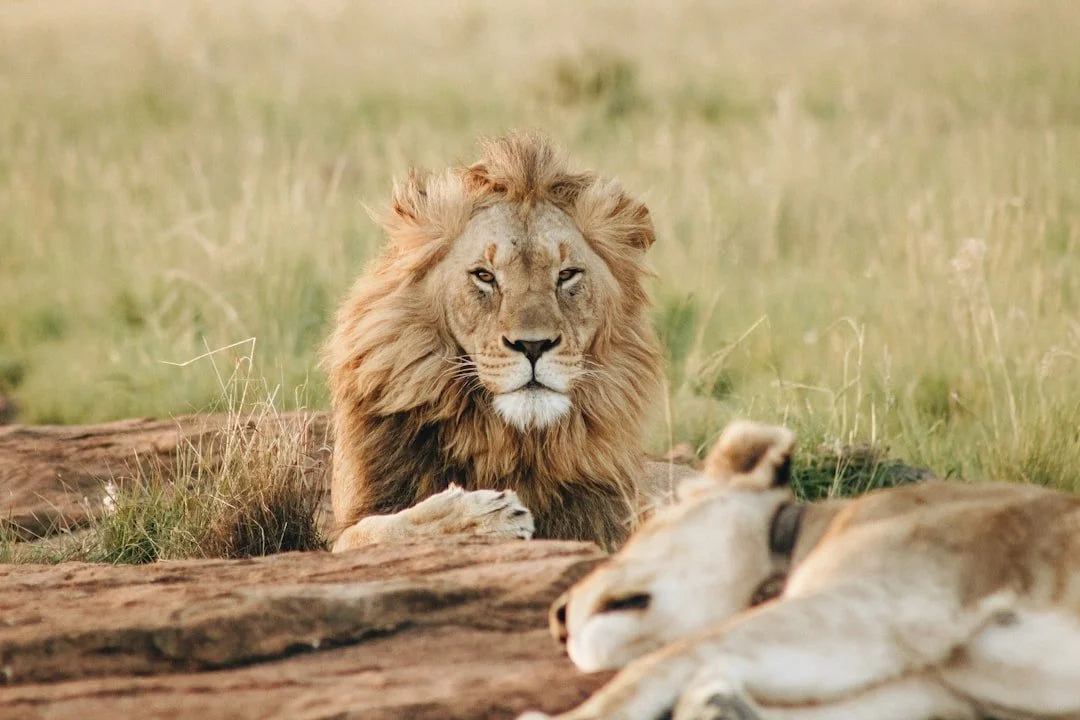
Photo by Wade Lambert on Unsplash
Best Time to Visit
There is no single best time for safari, only the best time for your particular trip. The dry season, roughly June through October, offers excellent wildlife visibility as animals concentrate around water sources and vegetation opens up. The green season brings fewer visitors, lush scenery, and beautiful light for photography. Timing should match your travel style as much as the wildlife calendar.
How Many Days You Need
Three to four nights in one location allows you to settle into the rhythm and encounter meaningful wildlife. Combining two or three destinations over eight to twelve days allows each place to feel distinct rather than rushed. Safari rewards patience. The more time you allow, the more the experience opens.
Who Safari Is Best For
Luxury safari works well for couples, families with older children, and solo travelers looking for something genuinely restorative. Private vehicles and flexible schedules make it accessible across generations. The daily structure, early mornings, long lunches, afternoon rest, evening drives, fireside dinners, is satisfying without being rigid.
Common Mistakes in Safari Planning
Trying to cover too many destinations in too few days is the most common error. Booking through a non-specialist is another. The difference between a mediocre camp and an exceptional one is significant, and it is not always apparent from marketing materials. Working with someone who has been on the ground makes that distinction immediately clear.
Luxury Travel Tips and What to Pack
Neutral colors, comfortable layers, closed shoes, a hat, and sunscreen cover most of it. Most camps offer daily laundry, so you can pack lighter than you expect. Soft-sided luggage is required for small aircraft transfers between camps, so confirm before you pack.
Frequently Asked Questions About Luxury Safari Travel
What is a luxury African safari?
A luxury African safari combines exceptional wildlife access with high-quality accommodations, private guiding, and carefully considered logistics. The focus is on depth of experience rather than quantity of sightings, staying in fewer places for longer, and building a genuine connection to the landscape.
What is the best country in Africa for a first safari?
South Africa is often recommended for first-time safari travelers because of its variety, accessibility, and the quality of its private reserves. Botswana suits travelers looking for a more exclusive, lower-density experience. Zambia is ideal for those drawn to walking safaris and a more immersive, off-the-beaten-path feel.
When is the best time to go on safari in Africa?
The dry season, typically June through October, is considered prime time for wildlife viewing across southern and eastern Africa. Animals concentrate around water sources, vegetation thins, and game drives tend to be productive. The green season, November through April, offers fewer visitors, lush landscapes, and extraordinary photographic light.
How many days do you need for an African safari?
A minimum of three to four nights in one location allows you to settle in and experience a meaningful range of wildlife. A multi-destination itinerary across two or three regions typically runs eight to twelve days. Shorter trips tend to feel rushed. Longer trips almost always feel worthwhile.
What is a walking safari, and is it safe?
A walking safari involves moving through the bush on foot with an armed, highly trained guide. It offers a different quality of attention than a vehicle-based game drive: slower, quieter, more attuned to small details. South Luangwa National Park in Zambia is considered the birthplace of the walking safari and remains one of the best places in Africa to experience it.
What is a mokoro experience in the Okavango Delta?
A mokoro is a traditional dugout canoe used to navigate the shallow waterways of Botswana’s Okavango Delta. Poled by a local guide, it offers a silent, low perspective on the delta’s birdlife and water channels that a motorized boat cannot replicate.
How do I choose the right luxury safari camp?
Location, camp size, guide quality, and the style of the experience all matter. Smaller camps tend to offer more privacy and a stronger sense of place. The difference between a camp that looks beautiful in photographs and one that delivers on the ground is real, and it is best navigated with someone who has stayed there.
Is safari appropriate for families with children?
Yes, with the right structure. Many luxury camps accommodate families with private vehicles, guides who tailor the experience to younger travelers, and flexible daily schedules. Age minimums vary by property, so it is worth confirming with each camp. A private itinerary is almost always a better fit for families than a group tour.
I work with a small number of clients each season on bespoke safari itineraries, from first wildlife encounters to in-depth journeys across East and Southern Africa's most extraordinary landscapes. If Africa is beginning to call, I would be glad to explore the possibilities together.
Reach me at louis.monoyudis@fora.travel