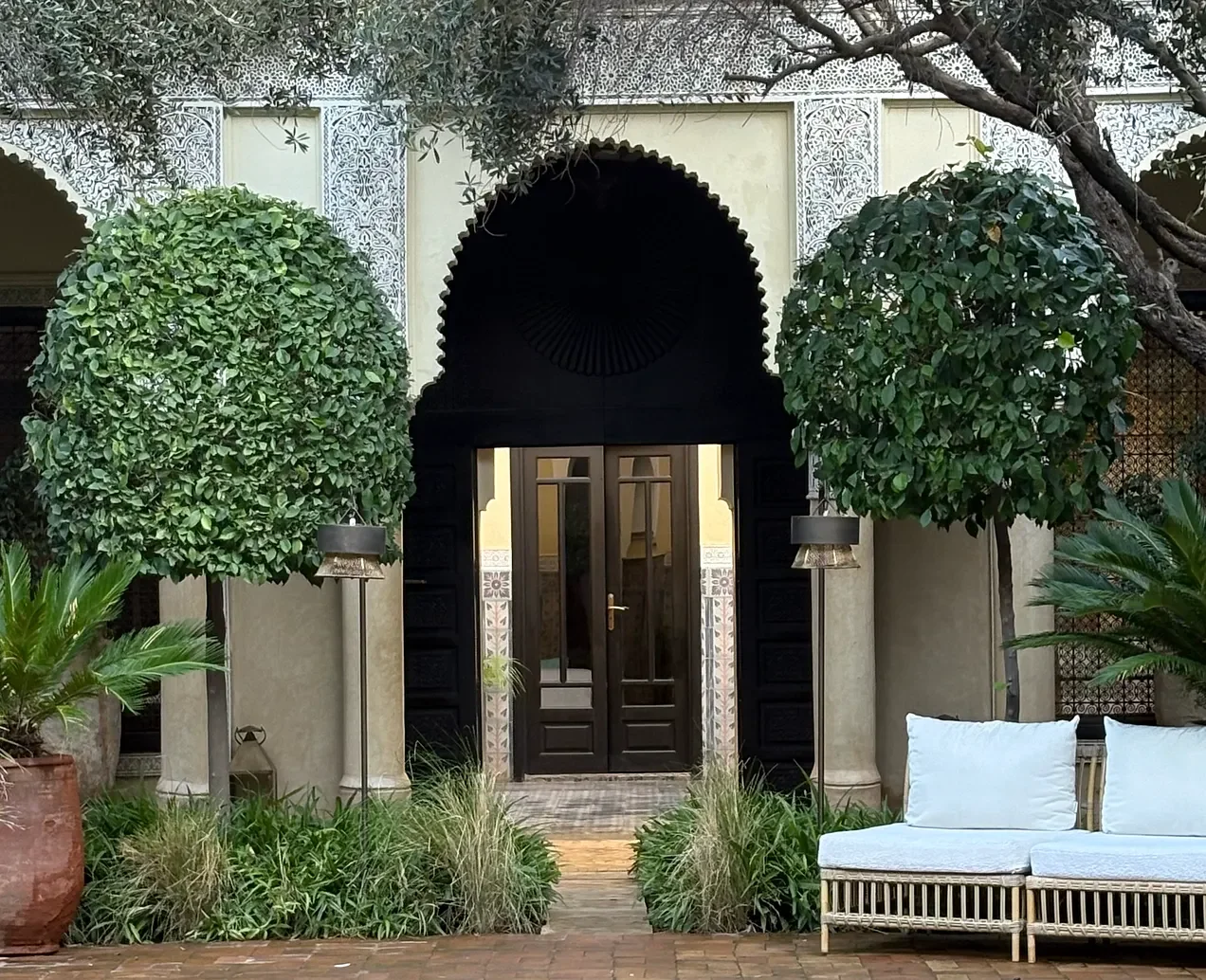
A courtyard at Villa des Orangers, a Relais & Châteaux property in Marrakech
Luxury Morocco Travel at a Glance
Morocco is one of the most rewarding destinations in the world for luxury travel. Not because it offers the easiest experience, but because it offers the most layered one. Below is a quick reference for planning purposes.
Best for: Culturally immersive luxury travel, honeymoons, food lovers, design enthusiasts, slow travelers
Ideal trip length: 8 to 12 nights
Best time to visit: March to May (spring), September to November (autumn)
Most popular route: Marrakech, Atlas Mountains, Agafay Desert, return to Marrakech
Good for honeymoons? Yes, exceptionally so
Good for families? Yes, with thoughtful planning and pacing
Luxury highlights: La Mamounia, Royal Mansour, Kasbah Bab Ourika, private medina guides, Amazigh home dining, Agafay Desert at sunset
The sensory richness of the medina, the quiet authority of the Atlas Mountains, the cinematic stillness of the Agafay Desert: together, they create something that very few destinations can match. A journey that moves through distinct moods, each one sharpening and deepening the next.
This guide is designed for travelers who want to experience Morocco at its most thoughtful, most considered, and most unforgettable. Whether you are planning a honeymoon, a private cultural journey, or a first visit to the country, what follows will help you understand not just what to do in Morocco, but how to do it well.
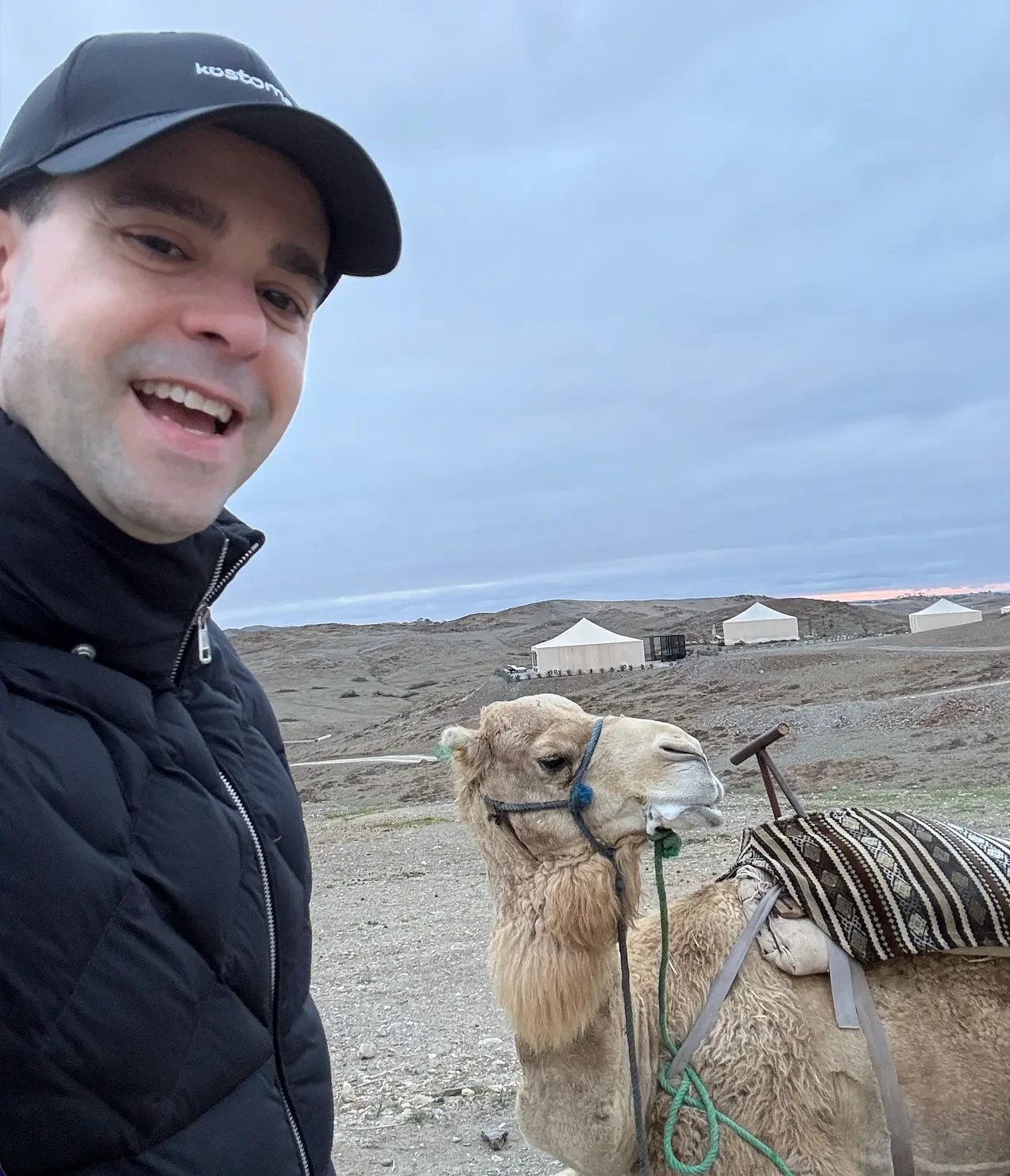
Sunset at White Camel Camp in the Agafay Desert, Morocco
Why Morocco Requires Thoughtful Planning
Morocco is one of the most rewarding destinations for culturally immersive luxury travel. It is also one that benefits more than almost any other from careful, considered design before you arrive.
The medina of Marrakech is extraordinary. It is also, for the uninitiated, genuinely overwhelming. The call to prayer moves through the air at intervals throughout the day. Motorbikes thread lanes barely wide enough for two people. The souks compress centuries of craft and trade into streets that fold back on themselves. Color, sound, and scent arrive all at once. The experience of standing inside it for the first time is vivid and alive, and it can become exhausting quickly without the right context and the right people beside you.
Pacing is everything in Morocco. The itinerary that works is not the most efficient one. It is the most emotionally intelligent one. A journey designed to move from the intensity of Marrakech to the stillness of the Atlas Mountains, and then to the spare, cinematic openness of the Agafay Desert before returning to the city, allows the country to reveal itself gradually. Each landscape softens and reframes what came before it. The contrast between them is not an accident of geography. It is, when designed correctly, the architecture of the entire experience.
Logistics matter here in ways they do not in some destinations. Transfers between Marrakech and the mountains take longer than they appear on a map. Seasons shape the experience in significant ways. Certain restaurants, certain rooms, and certain guides fill up months in advance during peak travel periods. Arriving in Morocco with a well-constructed plan and trusted local partners transforms a demanding, exhilarating destination into something seamless and deeply memorable.
Where to Stay in Morocco
Morocco is not a destination where hotels are interchangeable. Where you sleep shapes how the country reveals itself. The right property for one traveler is not the right property for another, and the best luxury Morocco travel experience starts with getting this decision right.
Best Luxury Hotels in Marrakech
La Mamounia is, by any measure, one of the great hotels of the world. Set just outside the medina walls, it holds a rare position: close enough to the energy of the city to feel connected, far enough inside its own gardens to offer genuine privacy and quiet. The nearly eight acres of olive, orange, and cypress trees feel like a different order of time, the service is precise and warm without ever being stiff, and the scale of the rooms and public spaces provides the relief that long travel days require. One of only two hotels in Morocco to hold the Michelin Keys distinction, La Mamounia earns its legendary status consistently.
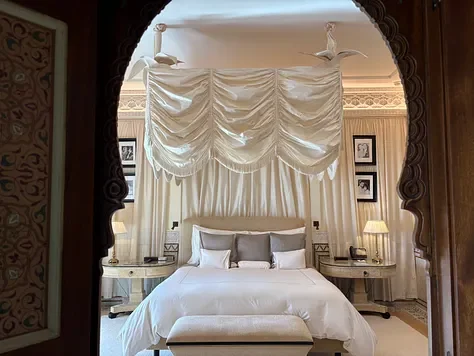
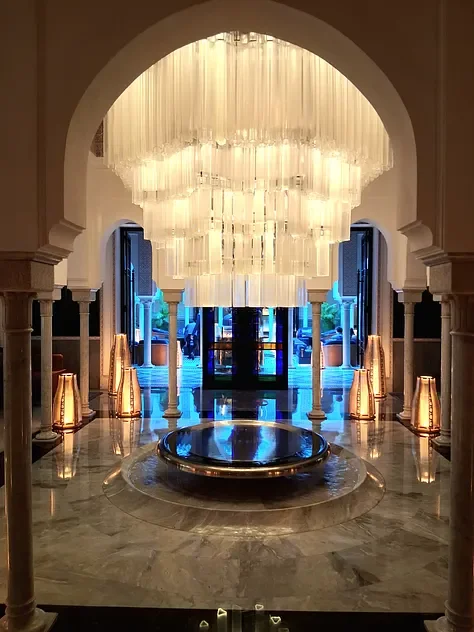
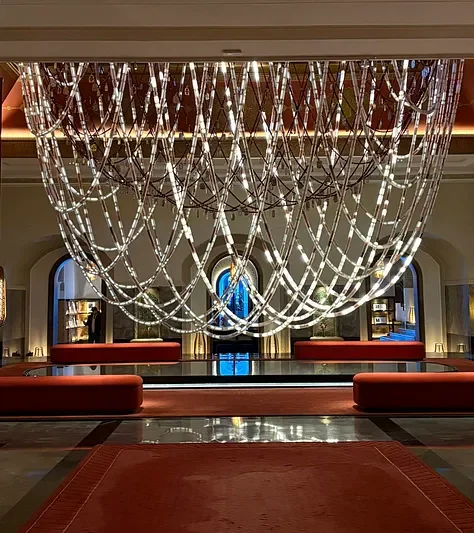
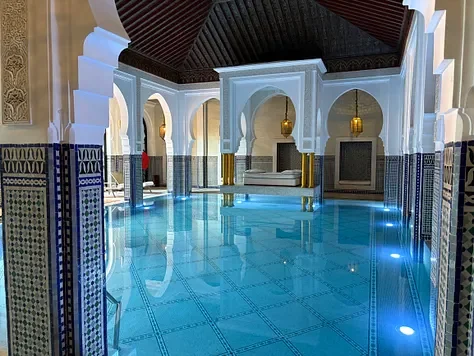
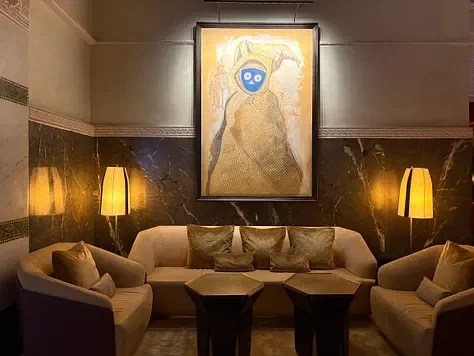
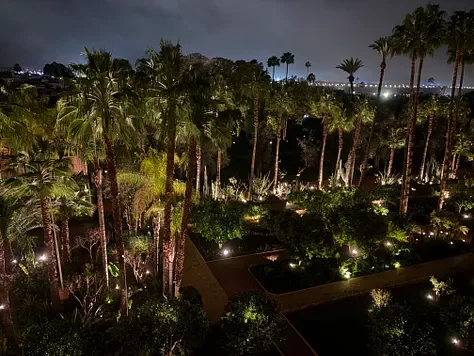
Royal Mansour Marrakech occupies its own extraordinary category. Commissioned by King Mohammed VI and conceived as a private riad village within the medina walls, it offers a level of seclusion and artisanal luxury that is almost without parallel. Each guest residence is a multi-level riad with its own courtyard and plunge pool. The culinary program, developed in collaboration with Yannick Alleno, is consistently among the finest dining experiences in Africa. For travelers who want Morocco's most refined expression of luxury, Royal Mansour is the answer.
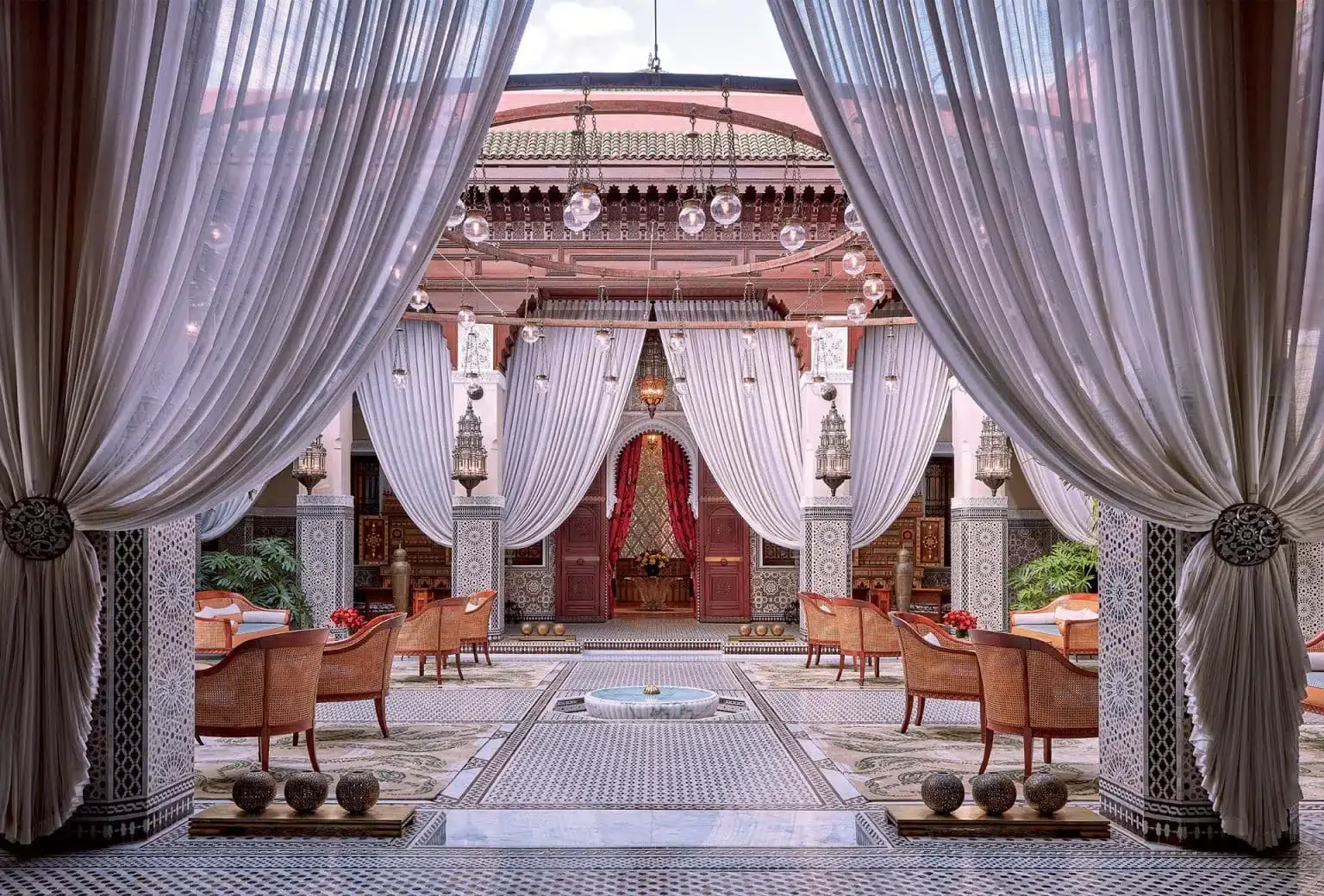
Image courtesy of Royal Mansour Marrakech
El Fenn is the right choice for travelers who want their hotel to feel like an immersive extension of Marrakech's creative and artistic identity. A true riad experience, inward-facing and layered, it surprises at every turn with tiled courtyards, carved cedar details, and a visual energy entirely its own. El Fenn is particularly strong for long lunches, rooftop cocktails, and evenings in its atmospheric dining room.
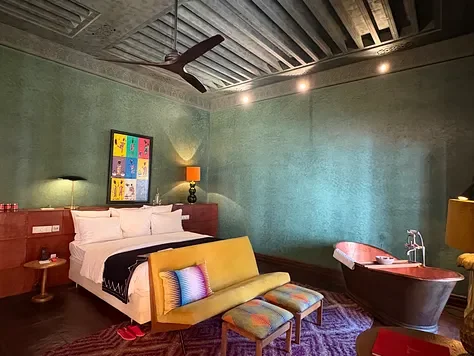
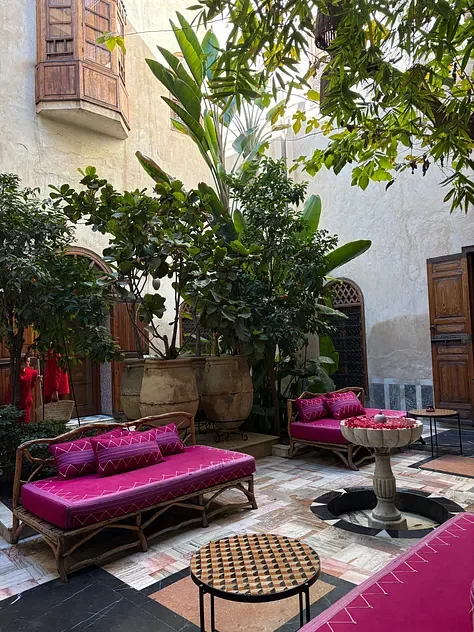
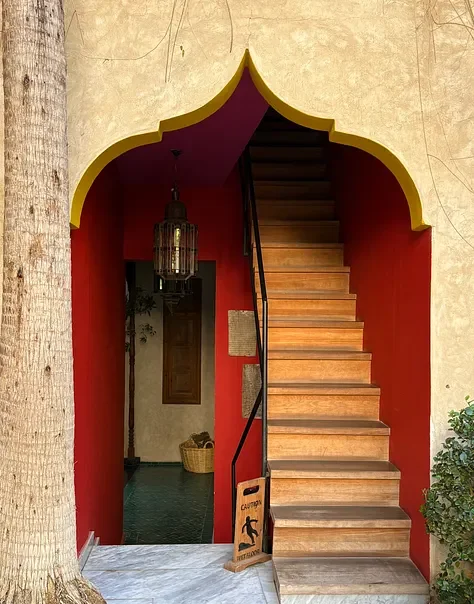
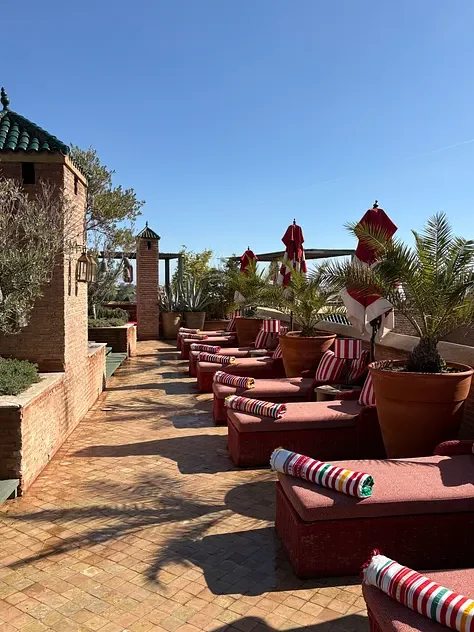
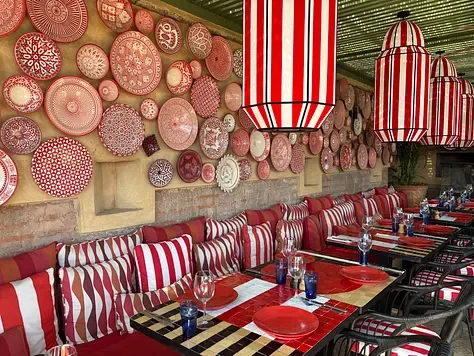
La Sultana offers intimacy and quiet sophistication from within the medina itself. Candlelit, richly decorated, and designed to feel like a private discovery rather than a hotel, it delivers some of the most atmospheric dining in the city.
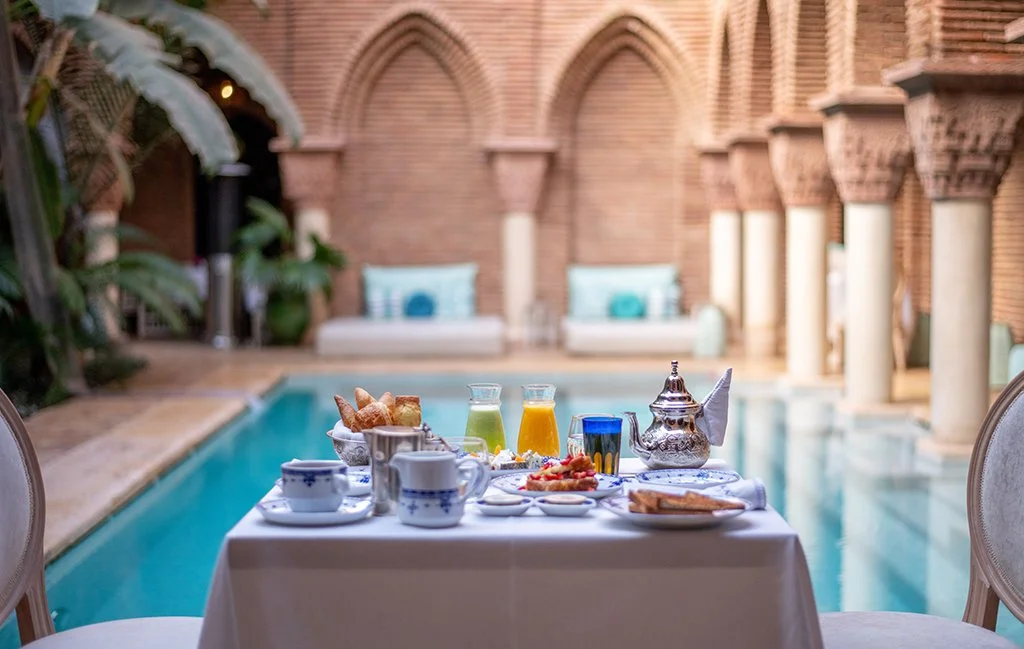
Image courtesy of La Sultana
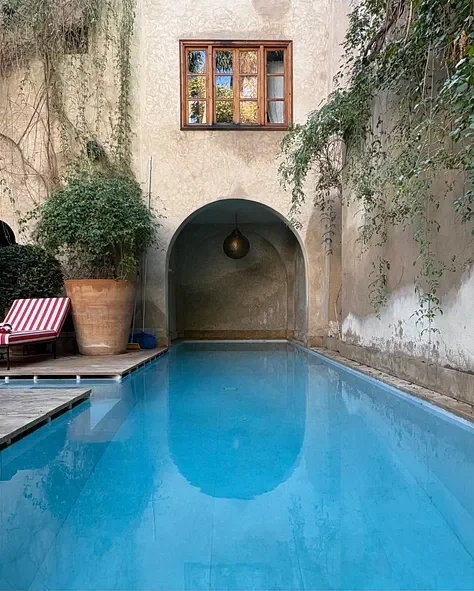
Villa des Orangers, a Relais and Chateaux property, is an exercise in discretion and elegance. Its rooftop terrace and courtyard pool create moments of exceptional calm within the medina. Mandarin Oriental Marrakech serves travelers who prefer a more contemporary, resort-style expression of luxury, with expansive gardens, multiple pools, and the consistently excellent service the brand is known for worldwide.
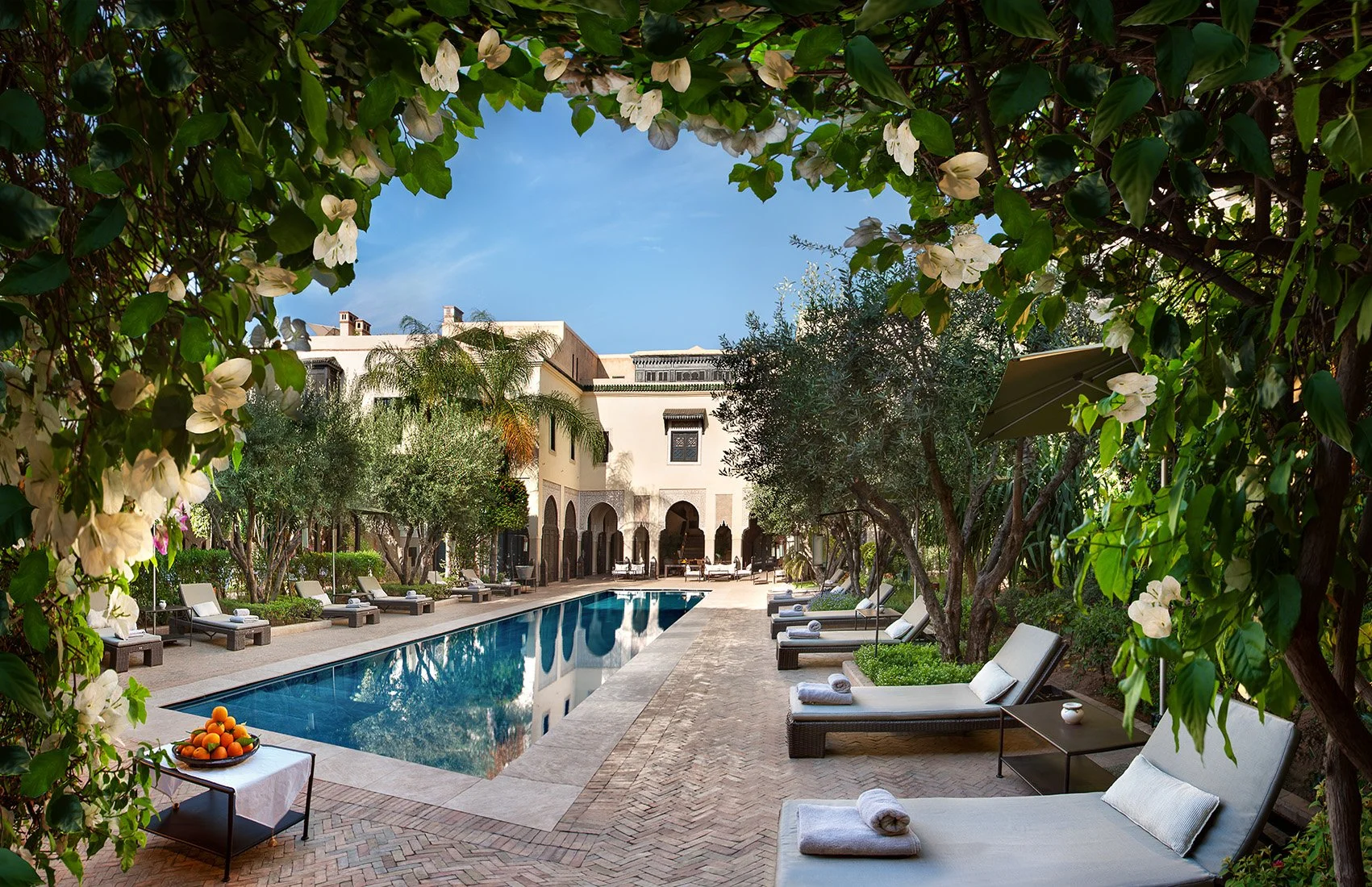
Image courtesy of Villa des Orangers
Atlas Mountains Hotels
The Atlas Mountains are approximately one hour south of Marrakech, and the journey there is part of the experience. The landscape transitions from urban energy to high-altitude stillness, and the properties in these mountains offer a fundamentally different relationship with Morocco.
Kasbah Bab Ourika sits above the Ourika Valley with views that shift and deepen throughout the day as light moves across the peaks. Grounded, peaceful, and deeply connected to its surroundings, it delivers the kind of stillness that recalibrates the nervous system after days in the medina. This is where Morocco shows its quieter, older face.
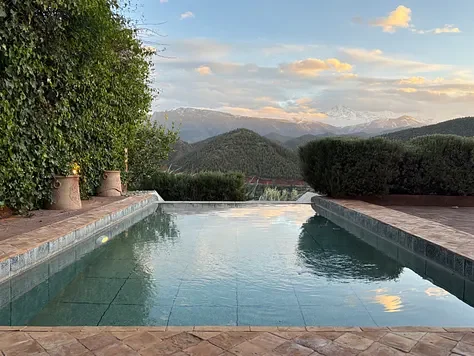
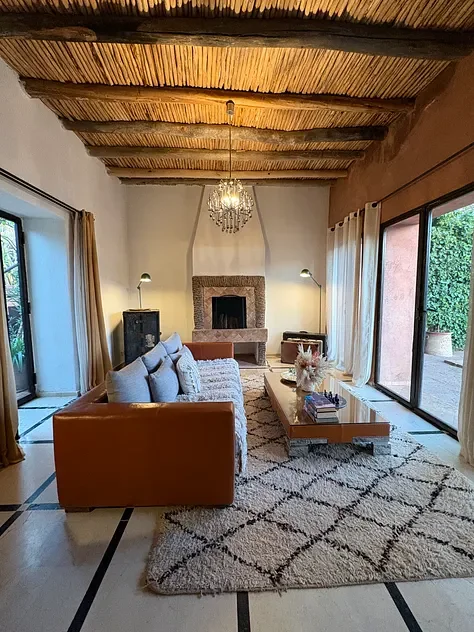
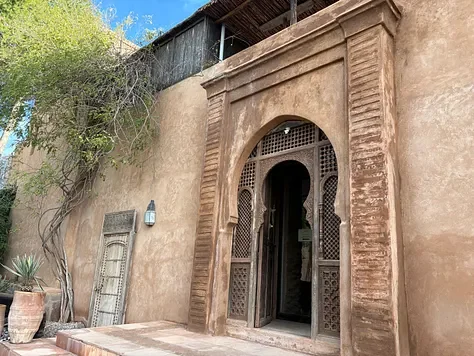
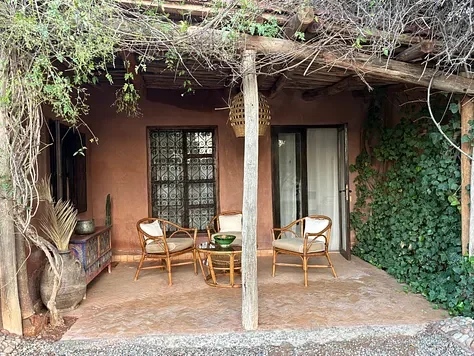
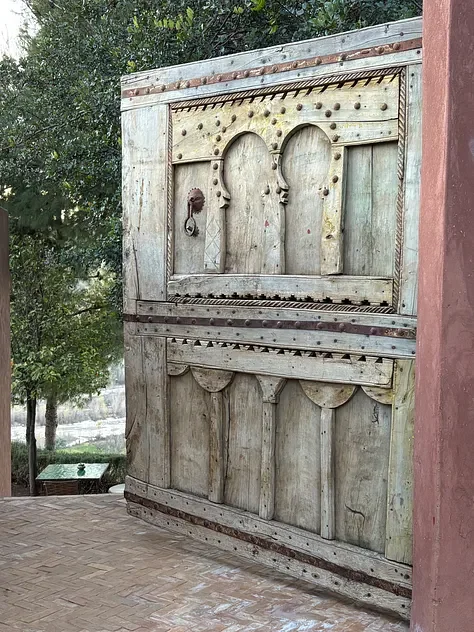
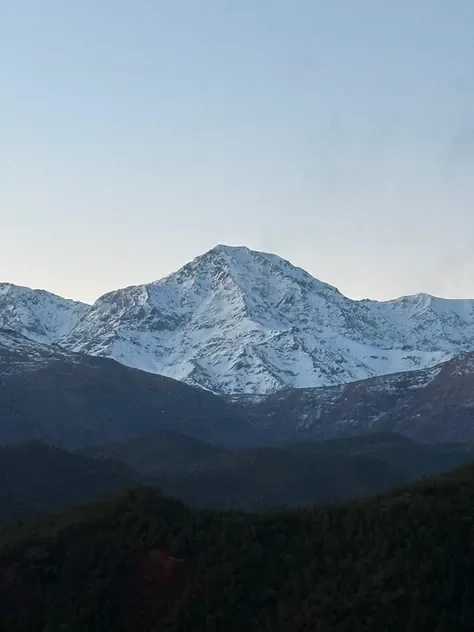
Kasbah Tamadot, Sir Richard Branson's celebrated property in the High Atlas, is one of the most spectacular stays in the country. Perched dramatically above the valley with views toward the snow-capped peaks, it combines Moroccan design with world-class hospitality. The infinity pool, the hammam, and evening meals served under the stars are among the most memorable experiences in luxury Morocco travel.
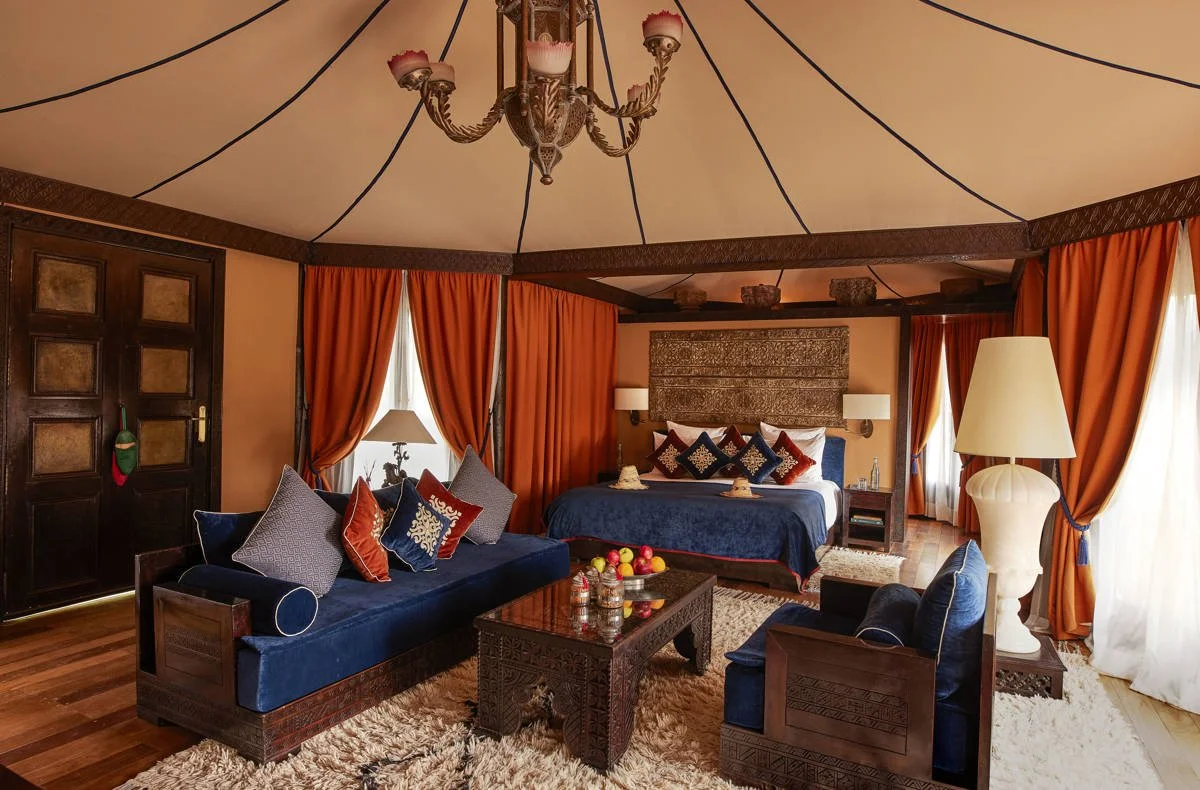
Image courtesy of Kasbah Tamadot
Olinto has emerged as one of the most acclaimed addresses in the mountains, particularly for food. Dinner here delivers Michelin-level cooking without formality, in a setting that feels both remote and deeply considered. For travelers who care about dining as much as landscape, Olinto belongs on the itinerary.
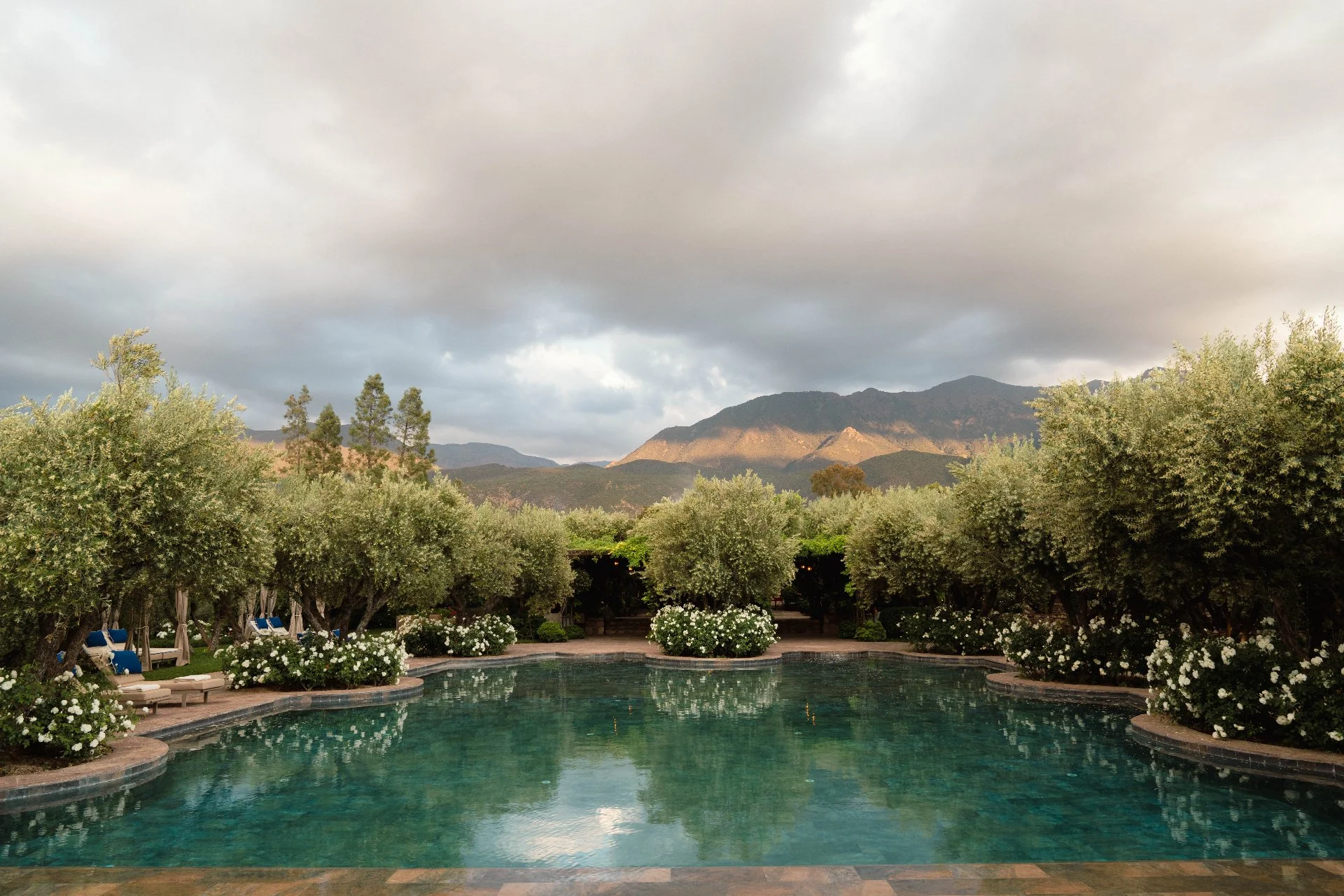
Image courtesy of Olinto
Desert Camps in Morocco
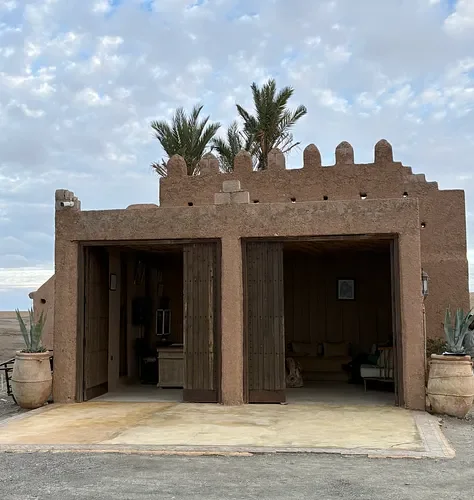
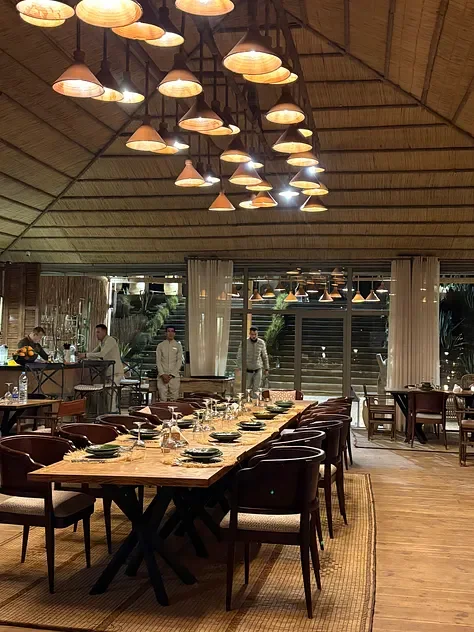
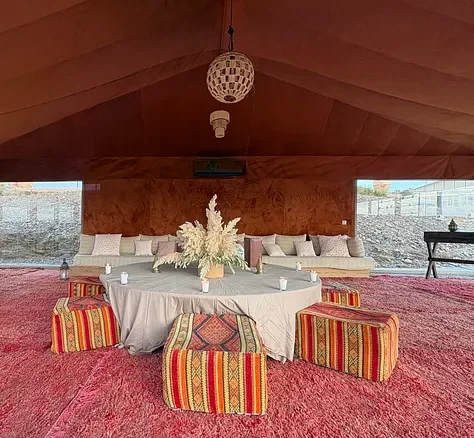
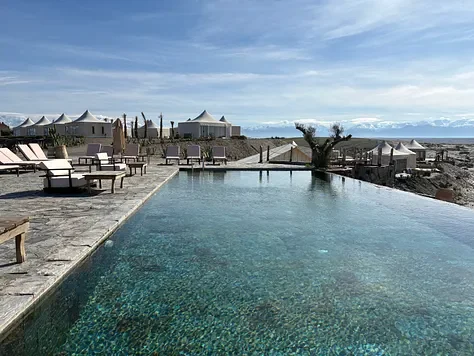
The Agafay Desert, a rocky plateau about one hour from Marrakech, offers a landscape experience entirely distinct from the Sahara. Lunar, intimate, and cinematic, it works beautifully as an afternoon, sunset, and dinner experience.
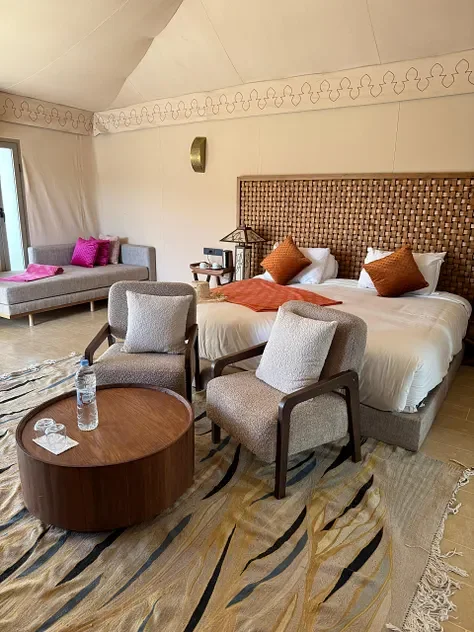
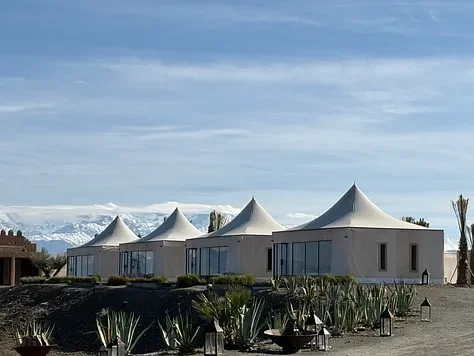
White Camel Camp provides exactly this: camel rides at golden hour, fire-lit dinners, and a sky filled with stars. As an overnight, expectations need careful management. The tents are visually striking, but the refinement many luxury travelers expect is not always consistently present. For most guests, the recommendation is to experience the Agafay for its atmosphere and activities, and return to Marrakech to sleep.
What Makes Morocco Luxury Travel Different
Luxury travel in Morocco is not primarily about thread count or turn-down service, though both can be found in abundance at the right properties. It is about access. About context. About the depth of experience that becomes possible when every layer of the trip has been considered with care.
The riad is the foundational architectural idea of Morocco: a building that turns inward, presenting a modest exterior to the street while opening onto a private courtyard with a fountain, carved cedar and plaster work, and a quality of light that changes through the day. Staying inside a great riad is one of the most distinctive accommodation experiences anywhere in the world. It changes the relationship between traveler and place.
Private guides transform the medina from a disorienting maze into a navigable, layered, and endlessly interesting world. A skilled local guide reads the city in real time, knowing when to slow down and when to accelerate, which souk is worth the time, which courtyard holds something worth pausing for. The difference between overwhelm and magic in the medina is not fortune. It is curation.
Private experiences give Morocco its texture: a cooking class where tagine preparation becomes a genuine connection to culinary tradition, a perfume workshop that turns into an education in how Moroccan culture understands scent and memory, a village walk in the Atlas foothills that offers a window into Amazigh daily life without any performance attached to it. These are not tourist activities dressed in luxury language. They are the moments that stay with travelers for years.
Morocco Through Food
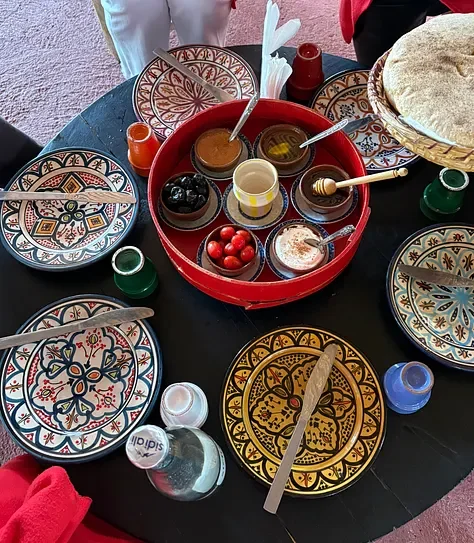
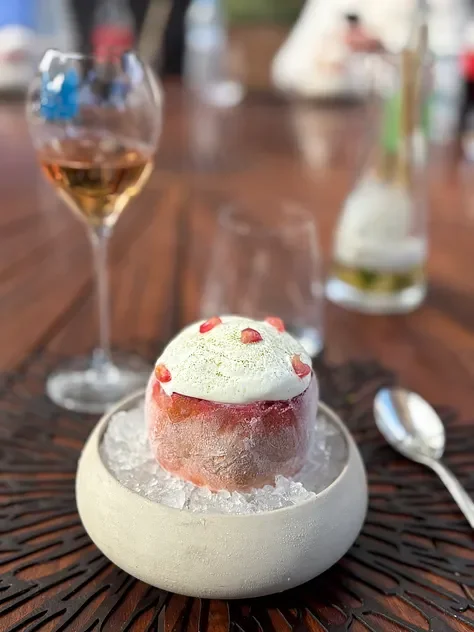
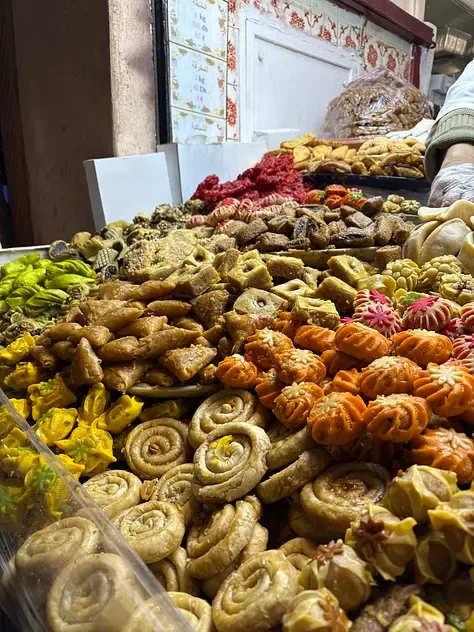
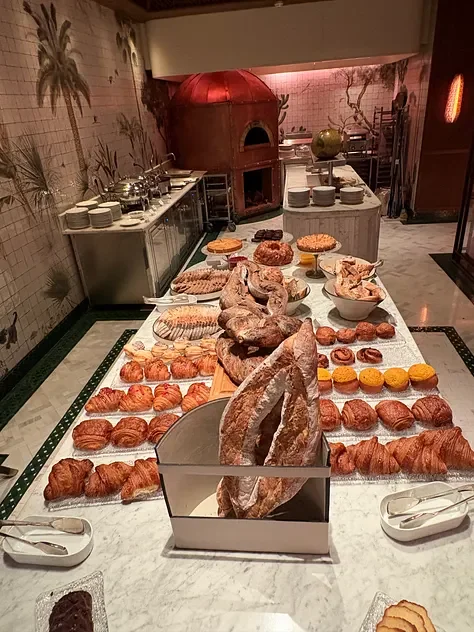
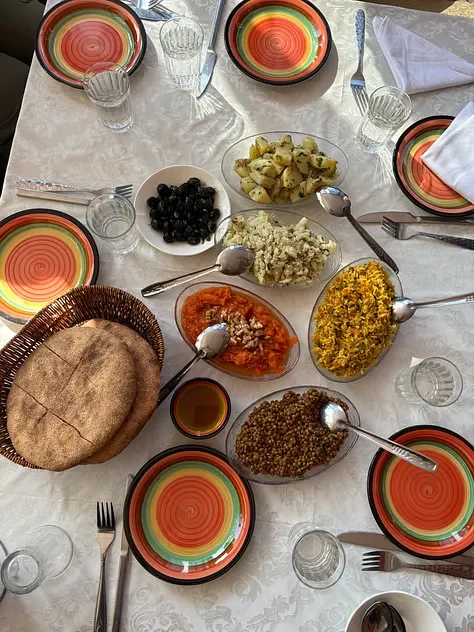
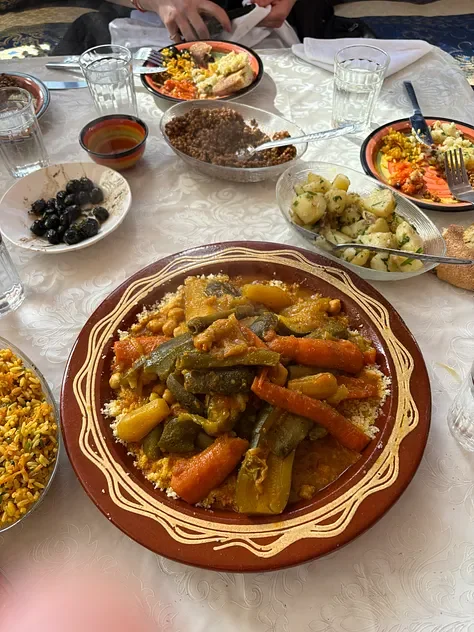
To eat well in Morocco is to understand something about the country's relationship to time. The cuisines of the Maghreb are slow cuisines, patient and layered, built on the logic of preservation, abundance, and generosity.
Tagine is the most recognized Moroccan dish, and for good reason. It is not one thing but many: lamb with preserved lemon and olives, chicken with saffron and almonds, vegetables slow-braised until they become deeply satisfying. The conical clay pot is both cooking vessel and serving dish, and what emerges has been developed over hours. Couscous, prepared correctly by hand and steamed slowly over broth, carries a texture and lightness that cannot be rushed. Pastilla, the traditional pie of pigeon or seafood layered inside crisp warqa pastry with almonds and spices, is one of the more astonishing combinations in world cooking.
Moroccan tea culture is its own ceremony. Mint tea poured from height into small glasses, sweet and fragrant, is offered at the beginning of almost every encounter, commercial or social. It is a gesture of welcome, and it should be accepted as such.
The most extraordinary meal of this particular Morocco journey was the simplest. In a small village in the Atlas Mountains, an Amazigh family offered a home-cooked lunch of slow lamb, preserved lemons, and bread from their own kitchen. No performance, no presentation, no menu. Just generosity and the flavor of food cooked by people who mean it. It was the kind of meal that travels home with you.
In Marrakech, the dining landscape rewards planning. Lunch at Royal Mansour is among the finest meals the city offers and is worth reserving even for guests staying elsewhere. La Sultana provides an intimate, candlelit atmosphere within the medina that makes dinner feel like a private occasion. La Mamounia's multiple restaurants deliver consistent quality across every setting. In the mountains, Olinto has become the destination for seriously executed food in a setting that earns its own journey.
Best Time to Visit Morocco
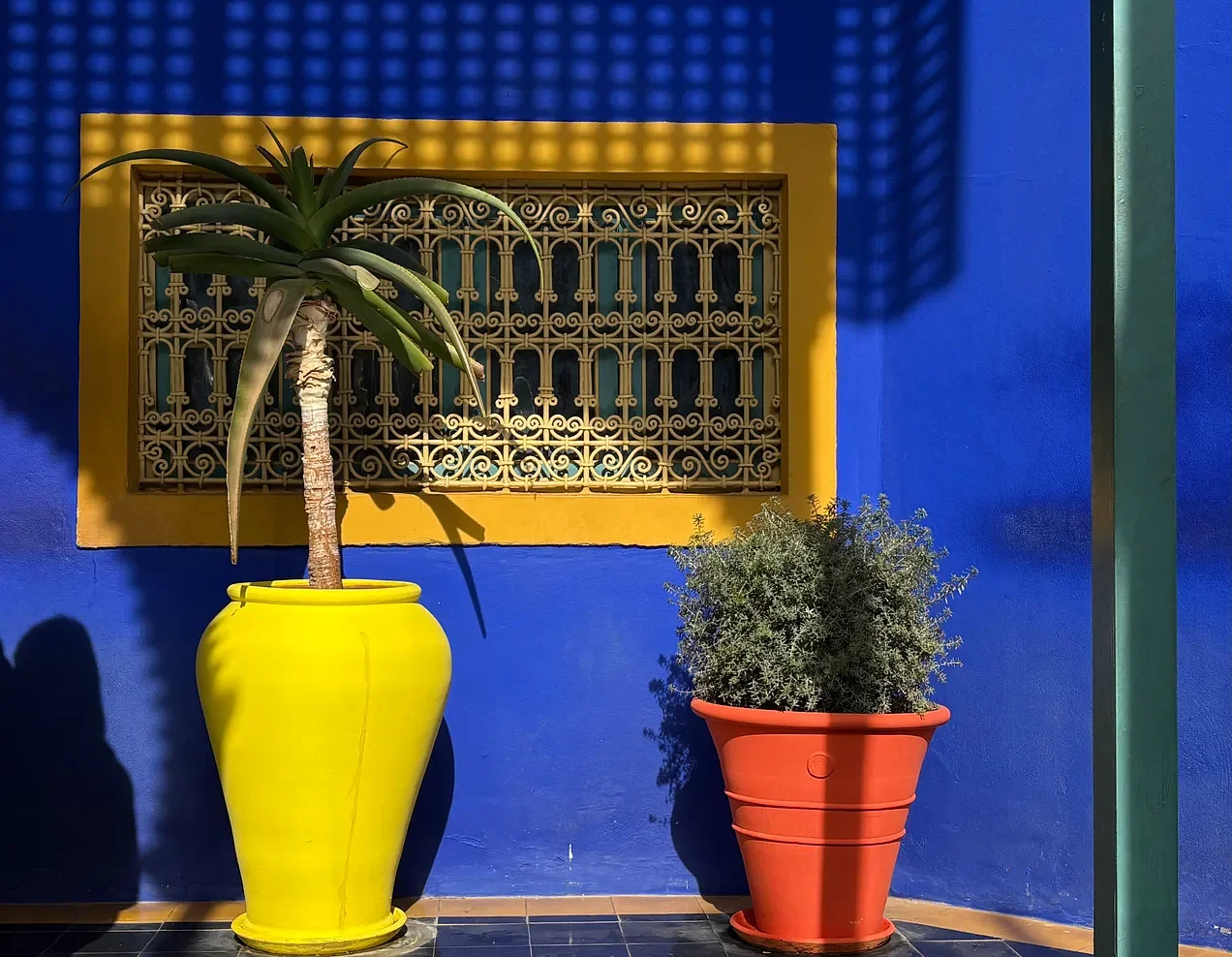
The vivid colors and Moorish detail of Jardin Majorelle, Marrakech
Spring and autumn are the two ideal windows for a luxury Morocco itinerary, and both offer distinctly rewarding conditions.
Spring, from March through May, brings the country to its most beautiful. Temperatures in Marrakech are warm but not extreme, typically ranging from the mid-teens in the morning to the mid-twenties in the afternoon. The gardens of La Mamounia and the Jardin Majorelle are at their fullest. The Atlas Mountains hold late snow on their highest peaks while the valleys below are green and flowering. The Agafay Desert takes on a quality of light in spring that makes it feel otherworldly. Spring is also peak season, and the best hotels and restaurants fill up months in advance. Book accordingly.
Autumn, from September through November, is equally beautiful and often quieter than spring. Days are warm and golden, nights in the mountains and desert are cool and clear, and the medina returns to a less crowded, more considered pace after the summer heat.
Summer, from June through August, brings intense heat to Marrakech, regularly exceeding 38 degrees Celsius. It is not the season most luxury travelers choose for the city, though the Atlas Mountains remain comfortable at higher elevations. Winter evenings in Marrakech carry their own appeal: the medina lit by lanterns, the gardens quieter, and a pace that is more contemplative. Temperatures can drop significantly at night, and the Atlas Mountains are cold at elevation. For travelers who value atmosphere over weather, winter offers a Morocco that very few people experience.
How Many Days Do You Need in Morocco?
Seven nights is the minimum for a meaningful first visit to Morocco. It allows time to settle into Marrakech, absorb the medina across a few days, make a journey to the Atlas Mountains, experience the Agafay Desert, and return to the city with enough left in the schedule to let the experience land properly.
Ten to twelve nights is the ideal length for travelers who want to move unhurriedly through the core itinerary of Marrakech, the Atlas Mountains, and the Agafay Desert, with time for day trips, longer meals, and the kind of unscheduled afternoon that often produces the most memorable moments.
For travelers who want to extend beyond Marrakech and its surrounds, several additions are worth serious consideration. Fes, Morocco's imperial capital, offers an entirely different face of the country: its medina is a UNESCO World Heritage Site, older and more labyrinthine than Marrakech's, and the craft traditions still practiced there are among the most significant in the Islamic world. Two to three additional nights make the extension worthwhile.
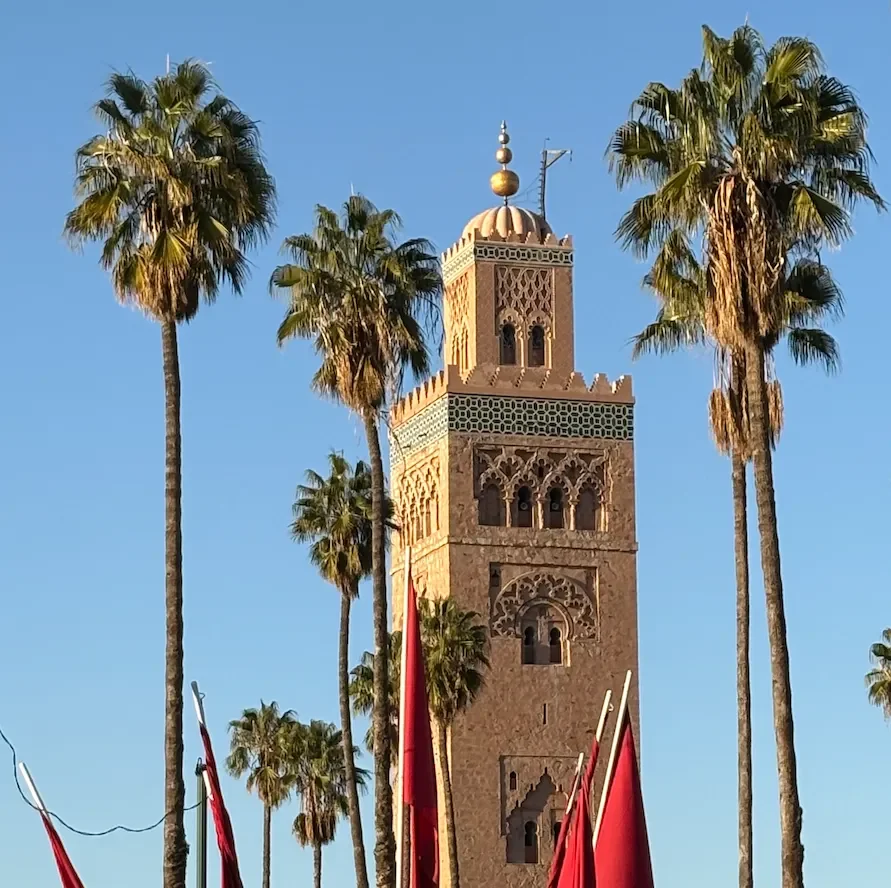
The Koutoubia Mosque, Marrakech's most iconic landmark
Essaouira, the Atlantic coastal city two and a half hours west of Marrakech, provides a beautiful counterpoint to the intensity of the medina: whitewashed walls, sea light, fresh seafood, and a quieter, bohemian energy that many travelers find deeply restorative. Chefchaouen, the famously blue city in the Rif Mountains, is more accessible as part of a longer Morocco itinerary or a combined trip that includes Fes. Morocco can also be combined with a safari extension to East Africa, or with a European summer journey, for travelers building longer international itineraries.
Common Mistakes Travelers Make in Morocco
Moving too quickly through Marrakech is perhaps the most common error. The medina requires time to adjust to. Travelers who arrive and immediately fill every hour with activity often leave feeling overwhelmed rather than enchanted. Building in slower mornings, unstructured afternoons, and longer meals changes the entire quality of the experience.
Staying only in Marrakech and skipping the Atlas Mountains or the Agafay Desert means missing the emotional arc that makes Morocco more than a city visit. The landscape contrasts are not optional extras. They are central to how the country works on you.
Choosing hotels based solely on visual appeal or social media prevalence is a mistake in Morocco more than in most destinations. Not every beautiful riad is the right riad for every traveler. Positioning within the medina, size of the property, level of service, and the particular atmosphere of the place all matter enormously. A property that is perfect for a design-forward couple may be entirely wrong for a family with young children or a traveler who needs a quieter, more insulated base.
Underestimating the importance of knowledgeable local guides is a mistake that becomes obvious within the first thirty minutes in the medina. Without a skilled guide, the souks become a gauntlet rather than a pleasure, and the private access to local artisans, family homes, and quieter corners of the city never materializes.
Booking too late is increasingly a problem in Morocco, particularly in spring and autumn. The best rooms at La Mamounia, Royal Mansour, and Kasbah Tamadot sell out months in advance. Planning six months out is not excessive for a serious luxury Morocco itinerary.
Who Morocco Is Best For
Morocco works exceptionally well for a specific set of traveler profiles, and understanding which one applies helps determine how the trip should be designed.
Honeymoon travelers will find Morocco among the most romantic destinations in the world. Private riad courtyards, rooftop dinners above the medina, sunset camel rides in the Agafay Desert, and spa evenings at Royal Mansour or La Mamounia create the ingredients for an exceptional Morocco honeymoon itinerary.
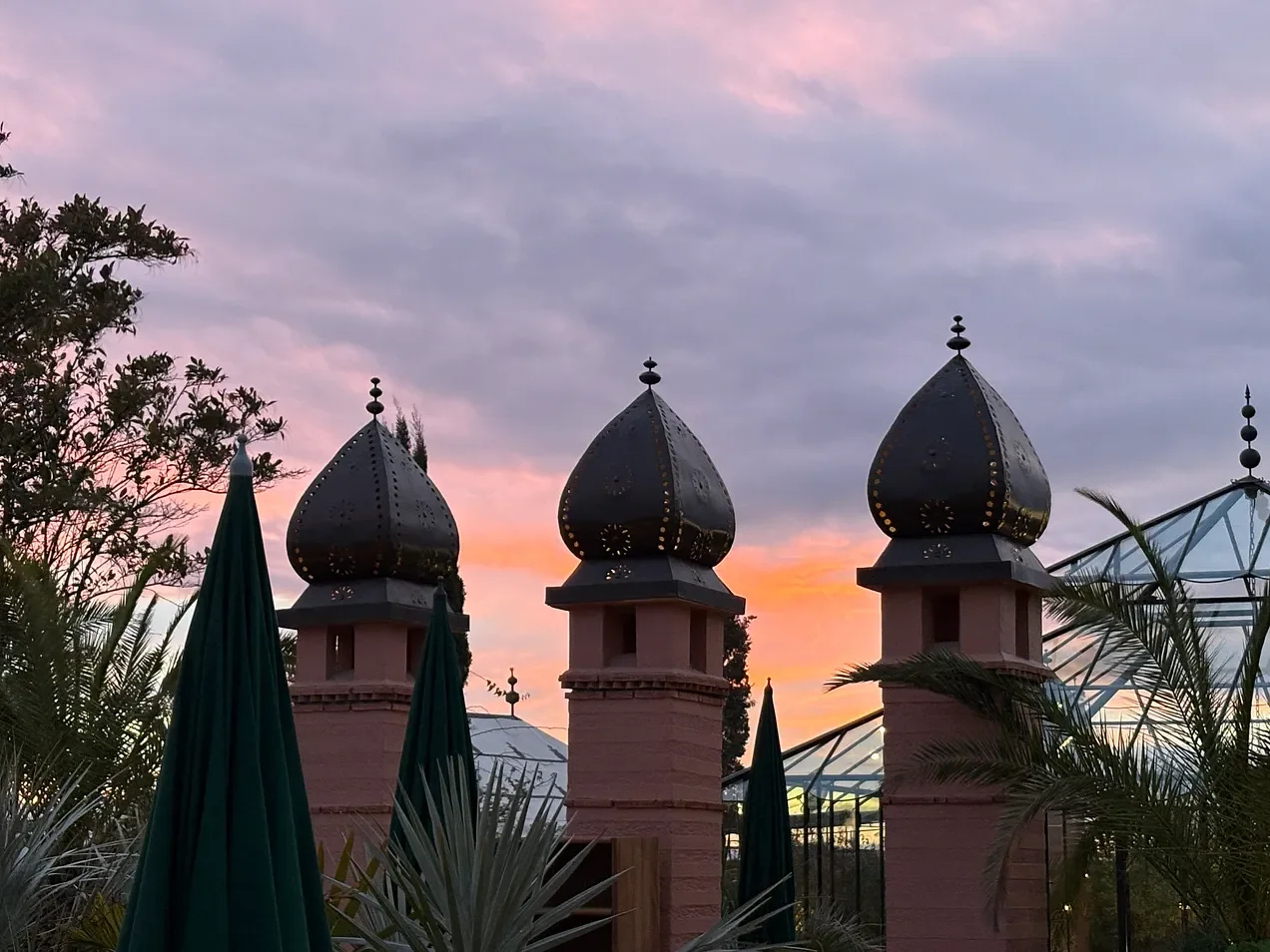
Sunset from the rooftop at La Sultana, Marrakech
Design lovers are deeply at home in Morocco. Islamic geometric patterns, hand-cut zellige tilework, carved cedar and plaster, hand-knotted textiles, and hammered metal lanterns represent one of the richest craft traditions in the world. The properties that interpret this tradition at the highest level, including Royal Mansour, El Fenn, Villa des Orangers, and La Sultana, provide an immersion in Moroccan design and Islamic architecture that is simply not available anywhere else.
Food travelers have more to explore in Morocco than a single trip can cover. From tagine and couscous to pastilla, mechoui, and the extraordinary diversity of Moroccan salads and mezze-style starters, the culinary landscape is deep and endlessly interesting. Add the Amazigh home cooking traditions of the Atlas, the seafood culture of Essaouira, and the growing restaurant scene in Marrakech, and Morocco becomes one of the great food travel destinations in the world.
Photographers find Morocco provides extraordinary material: the medina light in the early morning, the geometry of riad courtyards, the Atlas landscapes at any hour, the Agafay at dusk, and the colors and textures of daily life in the Ourika Valley. Slow travelers and culturally curious travelers both thrive in Morocco when the trip is designed with enough space for genuine discovery: unscheduled walks, conversations begun over mint tea, and afternoons in a particular neighborhood without an agenda.
Why Work With a Luxury Morocco Travel Advisor
Morocco is one of the destinations where working with a specialist advisor makes the most significant difference to the quality of the experience.
The reason is not primarily logistical, though the logistics are genuinely complex. The reason is access. The best local guides in Marrakech work with a small number of trusted partners and do not appear on booking platforms. The rooms at La Mamounia and Royal Mansour that are most worth having are not always the ones that appear most prominently in search results. The private experiences that make a Morocco itinerary extraordinary, including cooking in a family home in the Atlas, a private weaving demonstration with a master craftsman in the souks, or an early morning walk through the medina before the city wakes, do not exist on the open market.
A luxury Morocco travel advisor brings relationships: with the hotels, with the guides, with the drivers who know which mountain road is worth taking at which hour. They bring knowledge of pacing, knowing that a traveler arriving after an overnight flight should not have a full day of medina immersion scheduled for day one. They bring the capacity to make adjustments seamlessly when something changes, so the traveler never needs to manage the logistics themselves.
Most importantly, a good advisor brings an understanding of fit. Not every great hotel in Morocco is the right hotel for every traveler. Not every great experience is the right experience for every group. The matching of the trip to the person is where the real work of luxury travel planning lives, and it is where the difference between a good trip and an extraordinary one is made.
Groove Jet Travel specializes in bespoke Morocco itineraries designed for discerning travelers. Every itinerary is built from the ground up to match the specific traveler, the specific timing, and the specific kind of experience they are looking for.
Frequently Asked Questions About Luxury Morocco Travel
Is Morocco safe for luxury travelers?
Morocco is a safe and welcoming destination for luxury travelers. Like any international destination, it benefits from local knowledge and trusted partners. Working with a reputable travel advisor ensures that transfers, guides, and accommodations are all vetted and reliable. The major luxury hotels in Marrakech operate to international security standards, and experienced local guides provide both context and confidence throughout the journey.
What is the best luxury hotel in Marrakech?
For many travelers, La Mamounia and Royal Mansour Marrakech represent the two pinnacles of luxury in the city. La Mamounia offers iconic grand-hotel luxury, eight acres of gardens, and a polished service experience within walking distance of the medina. Royal Mansour provides an unparalleled level of seclusion with private riad villas and one of the finest culinary programs in Africa. The best choice depends on the individual traveler. El Fenn, La Sultana, and Villa des Orangers are exceptional alternatives for those who prefer a more intimate or creatively distinctive experience.
Is Morocco good for a honeymoon?
Morocco is one of the most romantic destinations in the world for a honeymoon. Private riad courtyards, candlelit dinners in the medina, sunset moments in the Agafay Desert, and spa experiences at La Mamounia or Royal Mansour create the conditions for an exceptional romantic journey. A Morocco honeymoon itinerary typically combines two to three nights in Marrakech with a mountain stay and a desert evening, and can be extended to Essaouira for a coastal finish.
What is the difference between the Agafay Desert and the Sahara?
The Agafay Desert is a rocky, arid plateau approximately one hour south of Marrakech. It is not a sand desert in the traditional sense but offers a dramatic, lunar landscape with exceptional sunset and stargazing conditions. The Sahara Desert is much further south and requires additional travel time. It offers the classic experience of towering sand dunes. The Agafay is ideal for a day trip or evening experience from Marrakech. The Sahara is best incorporated into a longer Morocco itinerary with additional nights.
Should I stay in a riad or a hotel in Morocco?
This depends on the traveler. A riad offers an authentic architectural experience: an inward-facing building centered on a private courtyard, offering quiet and seclusion even within the medina. The best riads in Marrakech, including El Fenn, La Sultana, and Villa des Orangers, provide exceptional intimacy and design. Larger hotels such as La Mamounia, Royal Mansour, and Mandarin Oriental Marrakech offer more facilities, more space, and a broader range of dining and wellness options. Many travelers find that a combination works well: a larger hotel for the first nights while adjusting to the city, and a riad for later in the journey.
How much does a luxury Morocco trip cost?
A well-designed luxury Morocco itinerary typically ranges from approximately $1,000 to $3,000 per person per night in total trip cost, depending on the properties selected, the activities included, and the time of year. La Mamounia and Royal Mansour are among the most expensive properties in Africa. Kasbah Bab Ourika and El Fenn offer exceptional value relative to their quality. A travel advisor can help design an itinerary that achieves the right experience at the right investment level.
How many days should I spend in Morocco?
Seven nights is the practical minimum for a meaningful first visit. Ten to twelve nights is the ideal for a fuller experience that includes Marrakech, the Atlas Mountains, and the Agafay Desert without feeling rushed. For travelers who want to include Fes, Essaouira, or Chefchaouen, fourteen nights allows for a genuinely comprehensive Morocco journey.
Do I need a guide in Morocco?
A knowledgeable local guide is one of the most important investments in a Morocco itinerary. In the Marrakech medina particularly, a skilled guide transforms the experience from potentially overwhelming to genuinely immersive. They provide context for the Islamic architecture, Moroccan craftsmanship, and cultural practices that give the city its depth, and they provide access to private experiences and quieter corners of the city that independent travelers rarely find. The best local guides in Morocco are in high demand and should be arranged well in advance through a trusted travel advisor.
I work with a small number of clients each season on bespoke Morocco itineraries, from first-time visits to in-depth cultural journeys through the medina, mountains, and beyond. If Morocco is beginning to call, I would be glad to explore the possibilities together.
Reach me at louis.monoyudis@fora.travel